Breaking Down 7 Myths About Tulips
Posted on 13/08/2025
Breaking Down 7 Myths About Tulips
Tulips have enchanted gardeners and flower lovers for centuries, but how much of what we know is actually true? Despite their global popularity, tulips are surrounded by half-truths, misconceptions, and intriguing stories that sometimes obscure the beauty and simplicity of these iconic blooms. In this comprehensive guide, we're breaking down 7 common myths about tulips, revealing the rich facts, history, and science behind these beloved flowers. Whether you're a seasoned horticulturist or a curious novice, get ready to see tulips in a whole new light!
Table of Contents
- Myth 1: Tulips Originated in the Netherlands
- Myth 2: Tulips Only Come in Red and Yellow
- Myth 3: Tulips Are Difficult to Grow
- Myth 4: Tulips Bloom Just Once Yearly
- Myth 5: Tulip Bulbs Are Always Safe to Plant and Handle
- Myth 6: All Tulips Are Fragrant
- Myth 7: Tulips Can Only Be Enjoyed Outdoors
Myth 1: Tulips Originated in the Netherlands
One of the most persistent myths about tulips is their association with the Netherlands as the flower's birthplace. While Dutch culture and tulips are inextricably linked, the true story of the tulip's origin is far more exotic and fascinating.
The Real Home of Tulips
Tulips are native to Central Asia, particularly the mountainous regions of present-day Kazakhstan, Iran, and Turkey. Wild tulip species grew in these areas long before they made their way to Europe. Turkish sultans prized them and featured them in royal gardens as far back as the Ottoman Empire.
How Tulips Became a Dutch Icon
It wasn't until the late 1500s that tulips were introduced to the Netherlands by botanist Carolus Clusius. The Dutch quickly became enamored with these vibrant flowers, sparking "Tulip Mania"--an economic and cultural phenomenon in the 17th century where tulip bulbs were traded for astonishing prices. Since then, the Dutch have perfected tulip cultivation, making the country synonymous with colorful tulip fields and international flower exports.
- Tulip Fact: The Netherlands remains the world's largest tulip producer, growing over 4 billion tulip bulbs annually.
Myth 2: Tulips Only Come in Red and Yellow
When people picture tulips, they often imagine fields of bright red and sunny yellow blooms. While these colors are among the most popular, tulips boast a dazzling array of hues and patterns.
The Rainbow of Tulip Colors
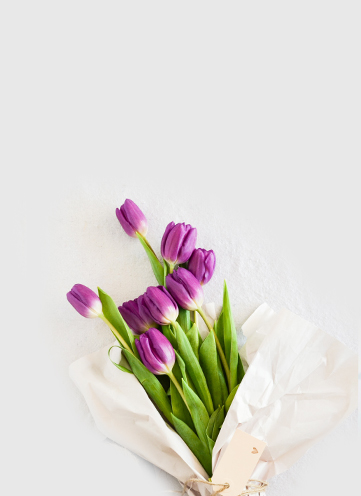
There are over 3,000 registered varieties of tulips, ranging across nearly every color of the spectrum--except for true blue. You'll find tulips in pink, purple, white, orange, black (deep maroon), green, and multi-colored combinations with intricate flames, stripes, and fringed edges.
- Variegated Tulips: Some tulips feature bi-color petals or striking patterns due to natural mutations and hybridization.
- Rare Colors: Black tulips, like the famous 'Queen of Night,' add drama with their deep, velvety color.
Why Not Blue Tulips?
Despite genetic efforts, tulips do not naturally produce a true blue pigment. Breeders have come close with violet and purplish tones, but a real blue tulip remains a dream for flower enthusiasts.
Myth 3: Tulips Are Difficult to Grow
Another misconception holding new gardeners back is that tulips require expert hands and meticulous care. In reality, tulips are among the easiest spring bulbs to grow, thriving in a range of climates with a few simple guidelines.
Basic Tulip Care Tips
- Planting Time: Plant tulip bulbs in the fall, about 6-8 weeks before the first hard frost.
- Soil: They prefer well-drained, sandy or loamy soils to prevent bulb rot.
- Sunlight: Full sun yields the best blooms, but they can tolerate partial shade.
- Watering: Water after planting and during growth, but avoid waterlogged soil.
- Spacing: Space bulbs about 4-6 inches apart for optimal growth and air flow.
No Green Thumb Needed: The main threat to tulips is soggy soil. By following the basics--planting at the right time, providing good drainage, and selecting quality bulbs--gardeners all over the world enjoy brilliant tulip displays each year.

Myth 4: Tulips Bloom Just Once Yearly
Most people believe that tulip flowers bloom only once in early spring and then disappear for the rest of the year. While it is true that a single tulip stalk produces one main flush of flowers per season, there's more nuance to their life cycle.
Stretching Tulip Blooms
By choosing a mix of early, mid, and late-season tulip species, you can enjoy continuous color in your garden for up to two months. Here's how:
- Early Bloomers: Species such as 'Red Emperor' and 'Fosteriana' start blooming in March.
- Mid-Season Tulips: Popular hybrids like 'Darwin' and 'Triumph' peak in April.
- Late Tulips: Parrot and fringed tulips can last into May.
Naturalizing Tulips
Some species tulips can naturalize, meaning they come back and multiply year after year in suitable conditions. While many hybrid tulip varieties are treated as annuals in certain climates, planting species tulips or leaving bulbs undisturbed can lead to perennial flowering!
Myth 5: Tulip Bulbs Are Always Safe to Plant and Handle
There's a widespread belief that tulip bulbs are inherently harmless. While tulips are safe for gardens, it's important to know they're not edible and can cause problems for pets or small children if ingested.
Tulip Bulbs: Look, Don't Eat!
Tulip bulbs contain toxins, primarily tulipalin A and B, which can cause mild reactions in humans such as skin irritation or stomach upset if consumed. These compounds are especially dangerous to cats, dogs, and livestock.
- Gardening Tip: Always supervise pets in tulip-filled gardens and wear gloves when handling bulbs if you have sensitive skin.
Historical Fact:
During times of severe famine, such as World War II, some people in the Netherlands ate tulip bulbs out of desperation. However, this is not recommended and was only a survival tactic under extreme circumstances.
Myth 6: All Tulips Are Fragrant
Many people associate flowers with delightful scents and assume that tulips are heavily fragrant. While a few varieties offer subtle fragrances, most tulip cultivars are not known for their scent but for their vibrant colors and unique shapes.
Fragrant Tulip Varieties
- 'Ballerina': A stunning orange tulip with a sweet aroma.
- 'T. sylvestris': A wild species tulip known for its perfume.
- 'Orange Princess': Double flowered tulip with spicy notes.
If fragrance is an important factor, seek out these specific varieties. Otherwise, enjoy the breathtaking visual display that most tulip bulbs provide in gardens, parks, and bouquets.
Myth 7: Tulips Can Only Be Enjoyed Outdoors
Lastly, a common misconception is that tulips are exclusively outdoor blooms. In reality, they are versatile enough to be appreciated indoors, especially during colder months or in urban apartments with little-to-no garden space.
Forcing Tulip Bulbs Indoors
- Chilling Bulbs: Simulate winter by chilling bulbs in the refrigerator for 12-14 weeks.
- Potting: Plant bulbs in a container with good drainage, covering them with soil and watering sparingly.
- Blooming: Once shoots appear, bring the pot into a bright, warm room. Flowers typically bloom in 2-3 weeks.
By forcing tulip bulbs, you can enjoy gorgeous tulip blooms long before spring arrives outdoors.
Tulip Bouquets and Arrangements
Tulips are a florist favorite thanks to their elegant stems and diverse colors. They hold up well in vases and can be mixed with other spring flowers for stunning arrangements. Topping off a table, brightening an office, or accenting holiday decor, tulips fit every occasion.
Conclusion: Celebrating the True Wonders of Tulips
As we've seen, tulip myths can lead to misunderstandings about their origins, care, safety, fragrance, and more. By separating fact from fiction, gardeners and flower enthusiasts can better appreciate the beauty, diversity, and resilience of tulips.
Whether admiring fields awash in color in the Netherlands, cultivating hardy species tulips at home, or displaying cheerful bouquets indoors, the truth is clear: tulips are much more than meets the eye.
- Explore more: Experiment with new tulip varieties and planting methods for a one-of-a-kind garden display.
- Share the love: Now that you know the real facts, help others break free from tulip misconceptions - one bloom at a time!
Frequently Asked Questions About Tulips
- Q: Do tulips grow in all climates?
- A: Tulips grow best in regions with cold winters and dry summers, but many hybrids can be adapted to warmer climates with proper care.
- Q: Can I plant tulip bulbs in pots?
- A: Yes! Tulip bulbs can thrive in pots if provided with deep containers, good drainage, and a chilling period for root development.
- Q: How do I keep tulip blooms lasting longer indoors?
- A: Place cut tulips in fresh water away from heat and direct sunlight, trim stems regularly, and change the water every few days.
Ready to transform your spring garden? Let your new tulip knowledge guide you in choosing, planting, and celebrating one of the world's most captivating flowers!